The Green Industrialists: ESG and the New Luxury Standard in Manchester.
Analyzing how the 'Northern Powerhouse' is integrating sustainability into the creation of its first ultra-prime residential assets.

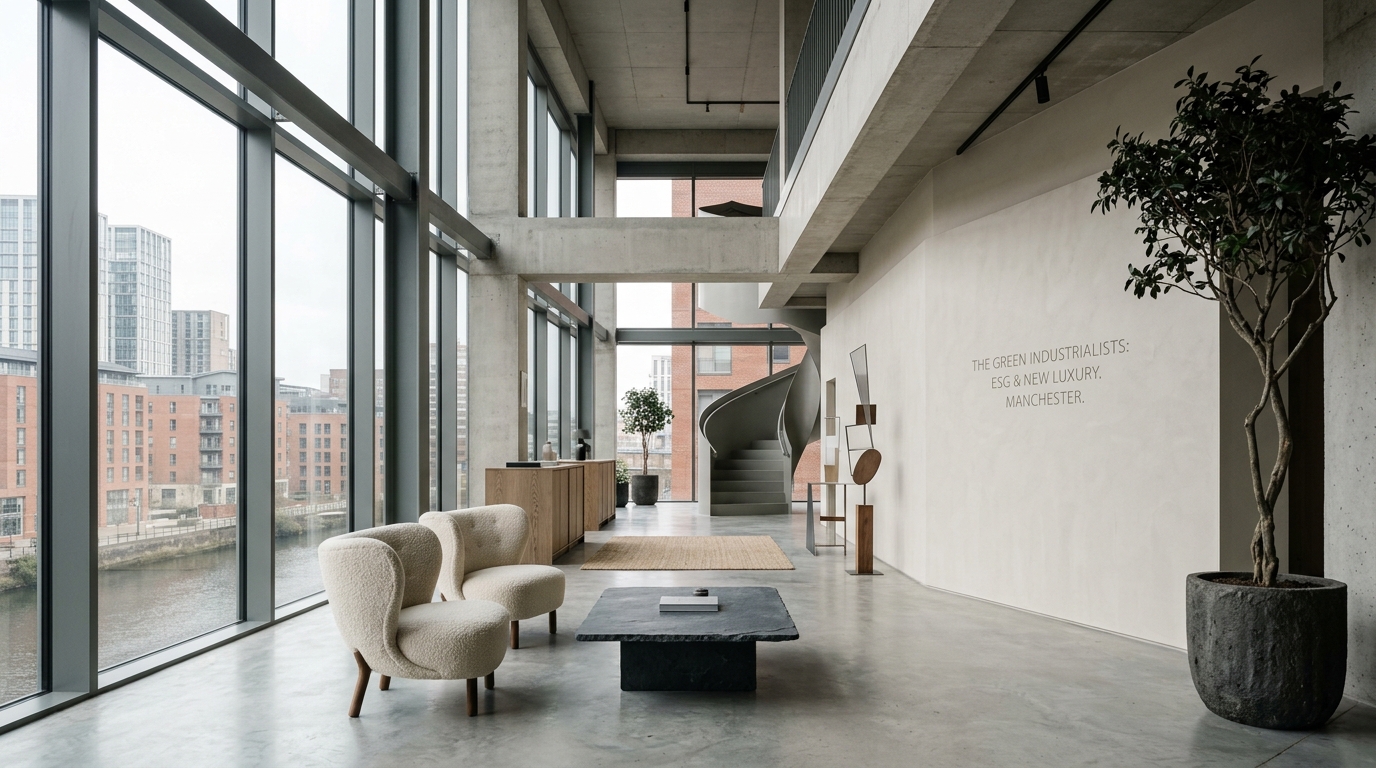
The Green Industrialists: ESG and the New Luxury Standard in Manchester
Manchester’s ascent as an institutional hub is being mirrored by a commitment to sustainable luxury. As the city develops its first true ‘Ultra-Prime’ residential offerings, it is doing so with a ‘Sustainability-First’ approach, skipping the inefficient stages of legacy luxury.
The Core Driver: The ‘Clean Slate’ Advantage
The driver in Manchester is the ‘Clean Slate’ advantage. Because much of the city’s ultra-prime sector is being built or regenerated now, developers can integrate the latest ESG standards from the ground up. Sustainability isn’t a retrofit; it’s the foundation.
The ‘Eco-Urban’ Aesthetic
Luxury in Manchester is moving toward an ‘Eco-Urban’ aesthetic—combining the city’s industrial heritage (brick, steel, glass) with cutting-edge green technology. This includes the use of carbon-sequestering concrete, living walls, and district heating systems that reduce the carbon footprint of the entire neighborhood.
Investor Implications
For the institutional investor, Manchester’s ‘Green’ luxury assets offer a unique combination of high yield and low risk. These assets are inherently more future-proof against UK carbon regulations and are more attractive to the high-earning tech talent moving to the North.
Actionable Strategy
- Target ‘BREEAM Outstanding’ Developments: Prioritize assets with the highest possible sustainability certifications. In a developing market like Manchester, these ‘Gold Standard’ assets will maintain their value far better than generic luxury.
- The ‘Regenerative Hub’ Play: Invest in mixed-use developments that integrate sustainable residential with green commercial space. This creates a ‘Synergy of Sustainability’ that increases the overall value of the precinct.
- Focus on ‘Energy Sovereignty’: Prioritize developments that include integrated renewable energy generation. In the UK’s volatile energy market, an asset that can partially power itself is a significant luxury.
Conclusion
Manchester is redefining luxury for the 21st century. By integrating ESG at the core of its urban regeneration, the city is creating a new standard of ‘Industrial Luxury’ that is as sustainable as it is prestigious.