Toronto Real Estate: The Canadian Core.
Exploring the resilience of the Toronto market in 2026.

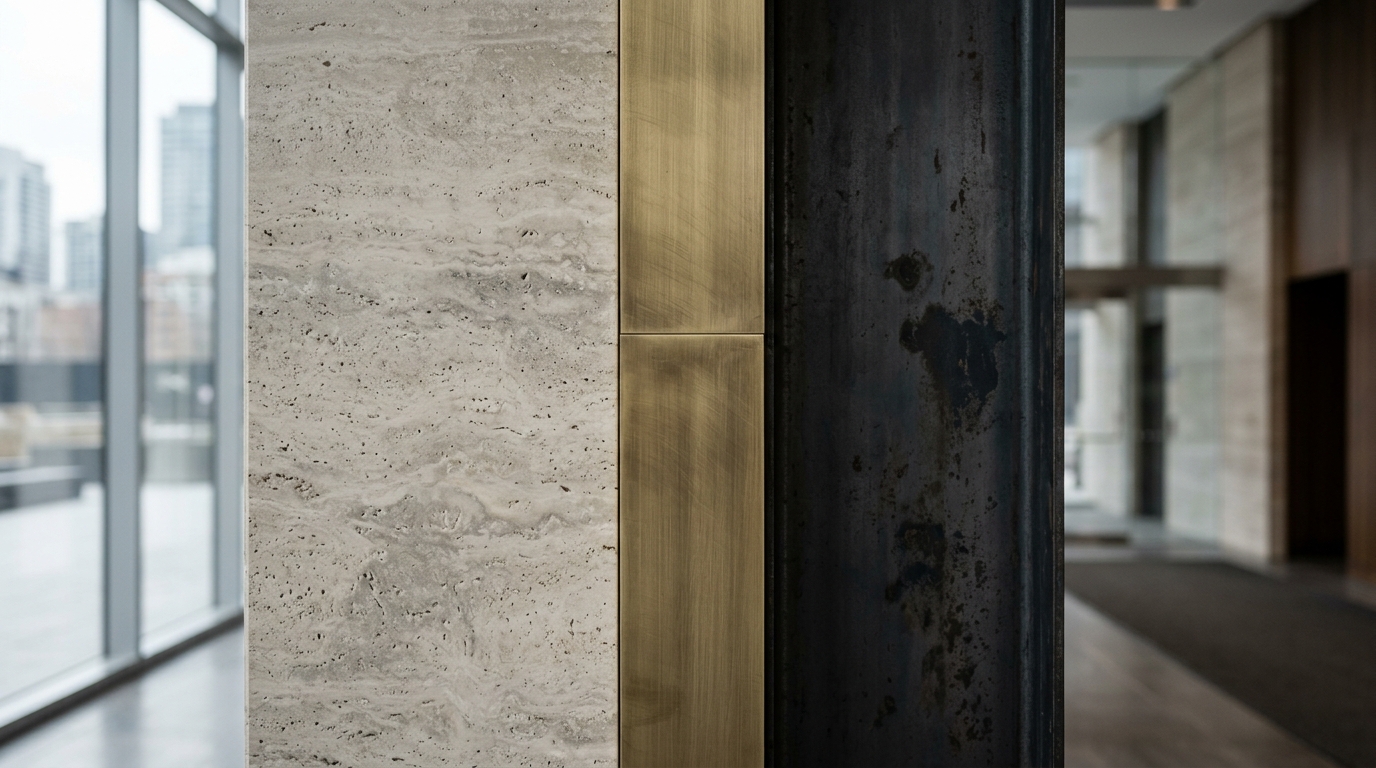
Toronto Real Estate: The Canadian Core
Executive Summary: Urban Core Resilience
Toronto’s ultra-prime market in 2026 is characterized by a remarkable resilience in the face of restrictive monetary policies. While the mid-market has struggled, the “top 0.1%” segment has decoupled from standard market trends. We are seeing a flight to quality, where scarcity in the urban core—specifically in the Bridle Path and Forest Hill districts—has turned luxury real estate into a sovereign-like asset class.
The Driver of Value: Transit-Oriented Prestige and Global Migration
Value is being propelled by two forces: the massive investment in transit-oriented development and the continued influx of global capital. The “Urban Core” is being redefined not just by location, but by proximity to new high-speed infrastructure and luxury hubs. The demand for vertical luxury (ultra-high-end penthouses) remains insatiable, driven by a preference for lock-and-leave security and world-class amenities.
Key Risks & Volatility: Fiscal Policy and Foreign Buyer Regulations
The most significant volatility stems from the Canadian government’s evolving stance on foreign ownership and speculative taxes. Any shift in the “non-resident speculation tax” or new mandates on housing affordability could create friction in the liquidity of the ultra-prime market. Investors must navigate a complex regulatory landscape that frequently pivots in response to political pressure.
Strategic Outlook 2026: Defensive Growth
The outlook is one of defensive growth. Toronto remains a safe haven for capital, but the era of explosive gains is over. The 2026 strategy should focus on assets with “intrinsic scarcity”—properties that cannot be replicated due to zoning or geography.