Short-Term Rental (STR) Crackdowns: Navigating NYC’s Local Law 18 and the Future of Airbnb Investing.
Analyzing the impact of New York City's aggressive STR regulations and how investors can pivot their strategies in a restricted environment.

Introduction
For a decade, the “Airbnb Strategy” was the gold standard for maximizing yield in New York City. By renting out apartments on a nightly basis, investors could often triple their income compared to long-term leases. However, the introduction of Local Law 18 has fundamentally dismantled this model, effectively banning short-term rentals unless the host is physically present in the unit.
The Core Driver
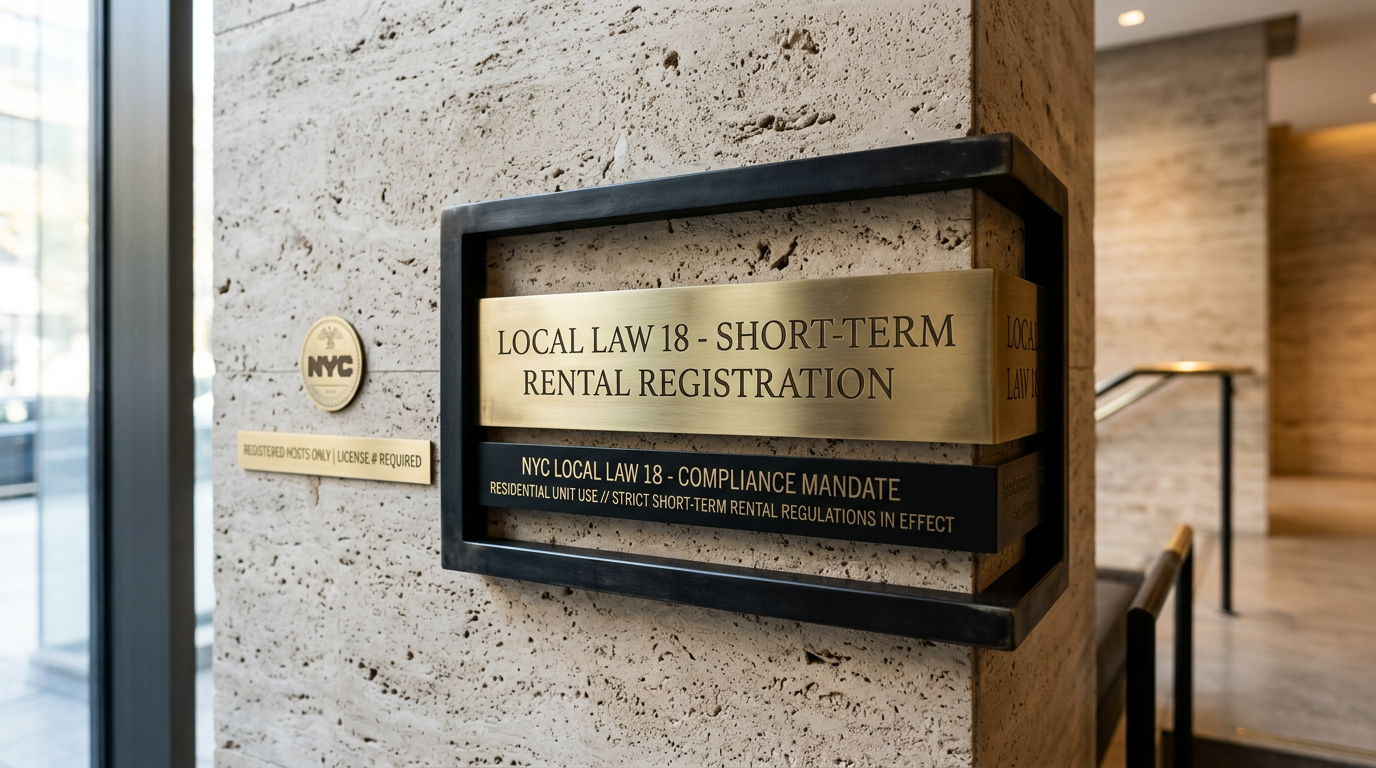
Local Law 18 was born out of a housing crisis. NYC officials argued that thousands of apartments were being pulled from the long-term rental market to serve tourists, driving up rents for permanent residents. The law requires STR hosts to register with the city and mandates that the primary resident must be present during the guest’s stay. Enforcement has been aggressive, with heavy fines for platforms and hosts alike.
Investor Implications
Pros:
- Return to Stability: The crackdown is forcing a return to long-term leases, which offer more stability and lower operational overhead (cleaning, guest management).
- Market Correction: The removal of speculative STR buyers may eventually lower the entry price for traditional long-term investors.
Cons & Risks:
- Yield Compression: The immediate result is a significant drop in gross rental income for those who relied on STRs.
- Asset Devaluation: Properties marketed and priced specifically as “STR-friendly” have seen a decline in value as their primary value proposition vanished.
Actionable Strategy
- Pivot to Mid-Term Rentals (MTR): The “Sweet Spot” is now 30-day+ rentals. Corporate housing, traveling nurses, and digital nomads are not subject to Local Law 18 but still pay a premium over standard yearly leases.
- Focus on Managed Co-Living: Explore licensed co-living models that provide flexible, short-term stays within a legal regulatory framework.
- Audit Your Portfolio for Compliance: If you still hold STR assets, transition them to MTR or long-term leases immediately to avoid the devastating fines associated with Local Law 18.
Conclusion
The era of the “unregulated Airbnb” in New York City is over. While this is a blow to high-yield speculators, it opens the door for a more sustainable, compliant investment approach centered on the growing mid-term rental market.