ESG and the Future of Ultra-Prime Real Estate in NYC.
A deep dive into LEED certifications and the green premium within the New York City luxury market.

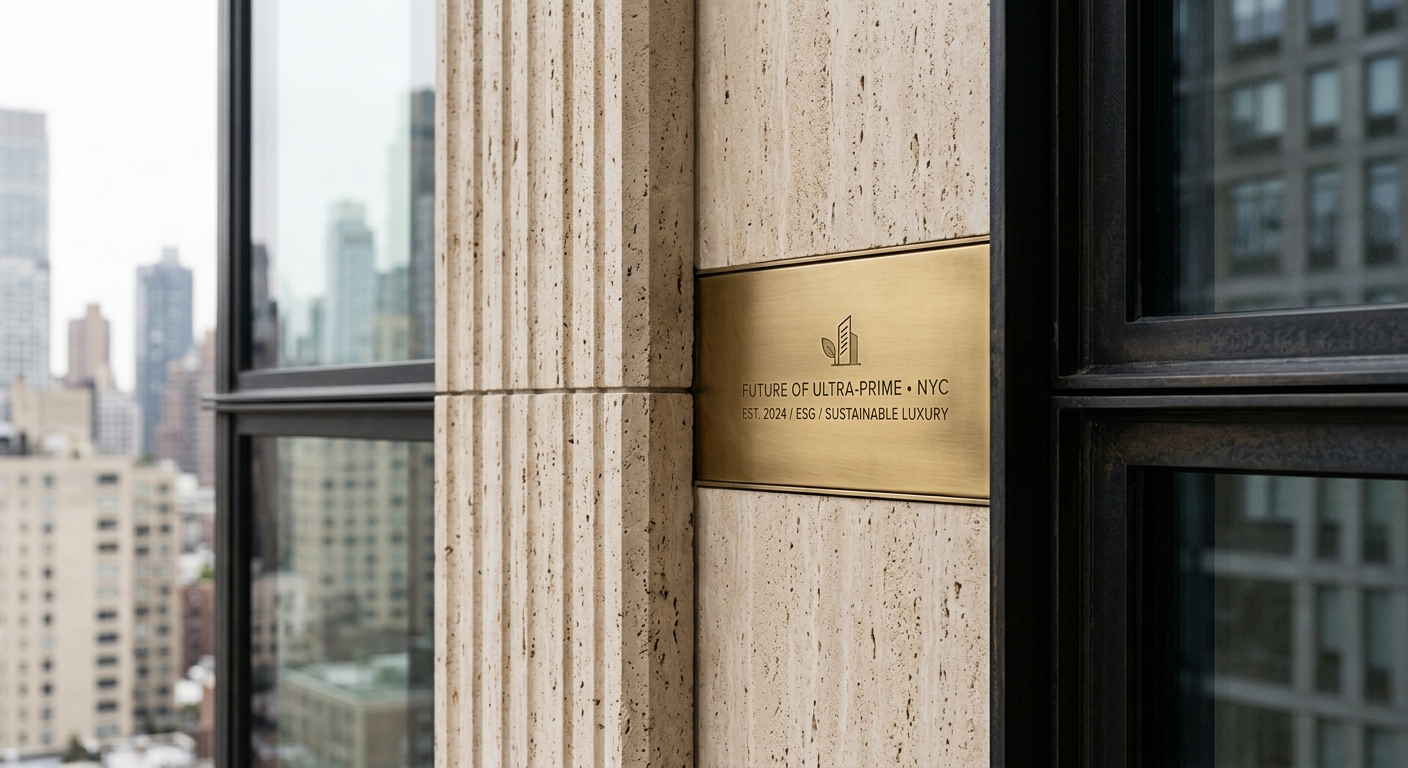
The Evolution of Luxury toward Sustainability
In New York City, from Billionaires’ Row to the Upper East Side, the luxury market is facing a pivotal shift. The traditional markers of status—square footage and prime views—are being augmented by a commitment to sustainability. “Sustainable Luxury” is now a core requirement for the UHNW investor who views their home not just as a residence, but as a legacy asset that must align with global ESG standards.
Certification Landscapes
LEED (Leadership in Energy and Environmental Design) remains the gold standard for energy efficiency in NYC. For super-prime residential towers, LEED certification is more than a badge of honor; it is a signal of operational excellence and a hedge against tightening municipal energy regulations (such as Local Law 97). These standards ensure that the highest levels of luxury are achieved without compromising environmental integrity.
The Value Delta: Green Premium and Brown Discount
The financial disparity between green and brown assets is stark in the NYC market. ESG-certified luxury properties command a “Green Premium” of 5-12% in rental yields and tend to hold their value better during market volatility. Conversely, non-compliant assets are facing a “Brown Discount,” as the impending costs of mandatory energy upgrades are deducted from the asset’s current valuation.
The Wellness Frontier
The integration of the WELL Building Standard is redefining NYC’s ultra-prime interiors. We are seeing a surge in biophilic design, including interior living walls, advanced HEPA air filtration systems to combat urban pollution, and dedicated wellness suites. The goal is to create a “sanctuary in the city” that optimizes the health and performance of the resident.
Conclusion: Sustainability as the New Definition of Prestige
In New York City, the new definition of prestige is the ability to live luxuriously while maintaining a minimal environmental footprint. Sustainability is no longer an optional add-on; it is a fundamental component of asset value. For the sophisticated investor, LEED and WELL certifications are the primary indicators of a future-proof trophy asset.