Wellington Real Estate: The Political Heart.
Evaluating the stable growth of the NZ capital.

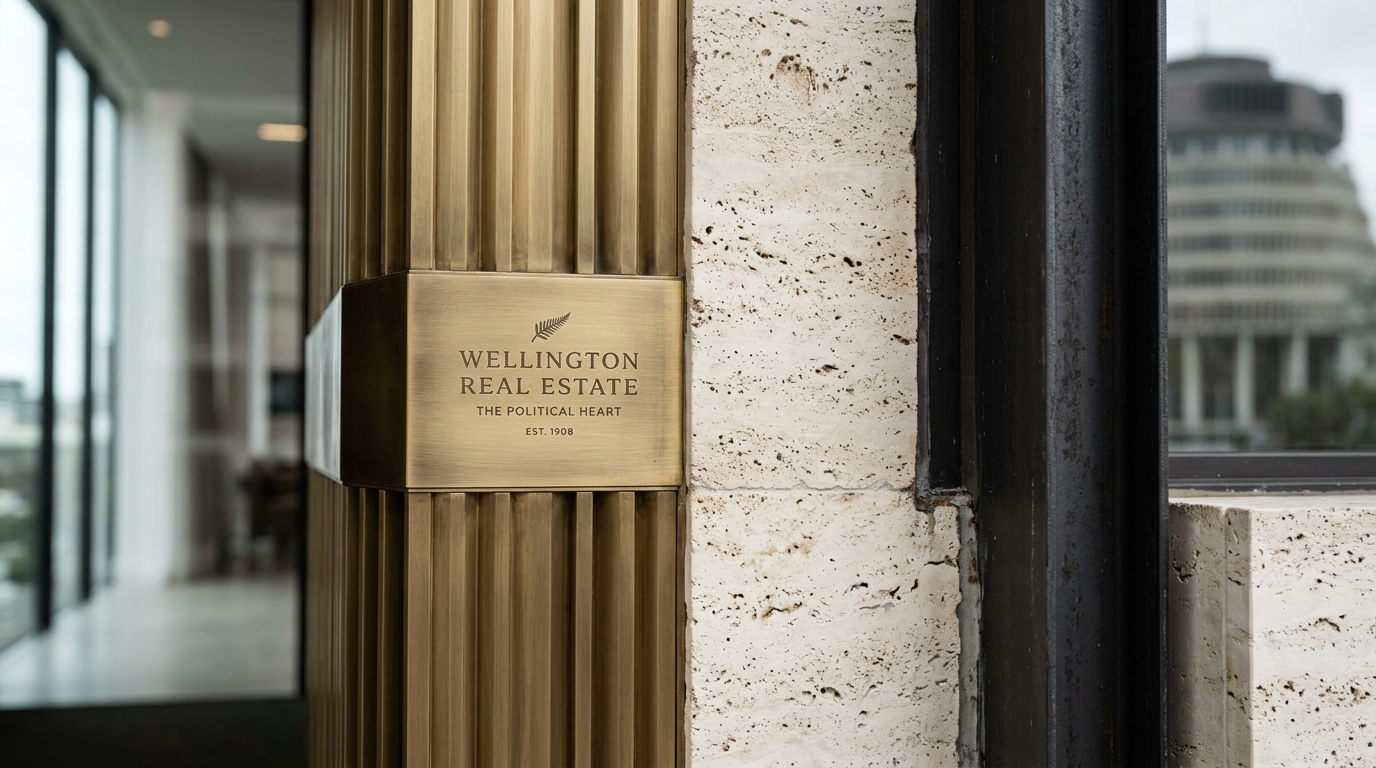
Wellington Real Estate: The Political Heart
Executive Summary: Sovereign-Driven Stability
Wellington’s ultra-prime market is defined by a unique blend of political power and geographic limitation. In 2026, the market is characterized by “Sovereign Stability”—a low-volatility environment where value is underpinned by the city’s role as the administrative heart of the nation. This is a market of quiet wealth and extreme scarcity.
The Driver of Value: The Tech Precinct and Governmental Proximity
The primary driver is the growth of specialized tech precincts and the perpetual demand for proximity to the center of government. The geography of Wellington—squeezed between the harbor and the hills—creates a natural ceiling on supply. Ultra-prime value is found in the “exclusive hillside” estates that offer panoramic views and total seclusion, catering to a mix of high-ranking diplomats, tech founders, and legacy wealth.
Key Risks & Volatility: Geopolitical Shifts and Infrastructure Resilience
The risks in Wellington are less about financial bubbles and more about physical and geopolitical resilience. Investors are increasingly focused on climate-resilient architecture and the city’s ability to upgrade its infrastructure to support a growing high-net-worth population. Any instability in the regional geopolitical climate can also affect the appetite of international investors.
Strategic Outlook 2026: The Long-Horizon Play
Wellington is not a market for speculators; it is a market for preservation. The trajectory for 2026 is one of steady, incremental appreciation. The strategic move here is the “long-horizon play,” acquiring assets that serve as a hedge against global volatility, leveraging the inherent stability of the New Zealand sovereign environment.