The Invisible Footprint: Sustainable Sanctuary in the Southern Alps.
Analyzing the shift toward 'Off-Grid' prestige and the 'Resilience Premium' in Queenstown's ultra-prime market.
The Invisible Footprint: Sustainable Sanctuary in the Southern Alps
In Queenstown, sustainability is the ultimate expression of the ‘Sanctuary’ concept. For the global UHNW individual, the goal is to enjoy the world’s most beautiful landscape without leaving a trace upon it.
The Core Driver: The ‘Invisible’ Ideal
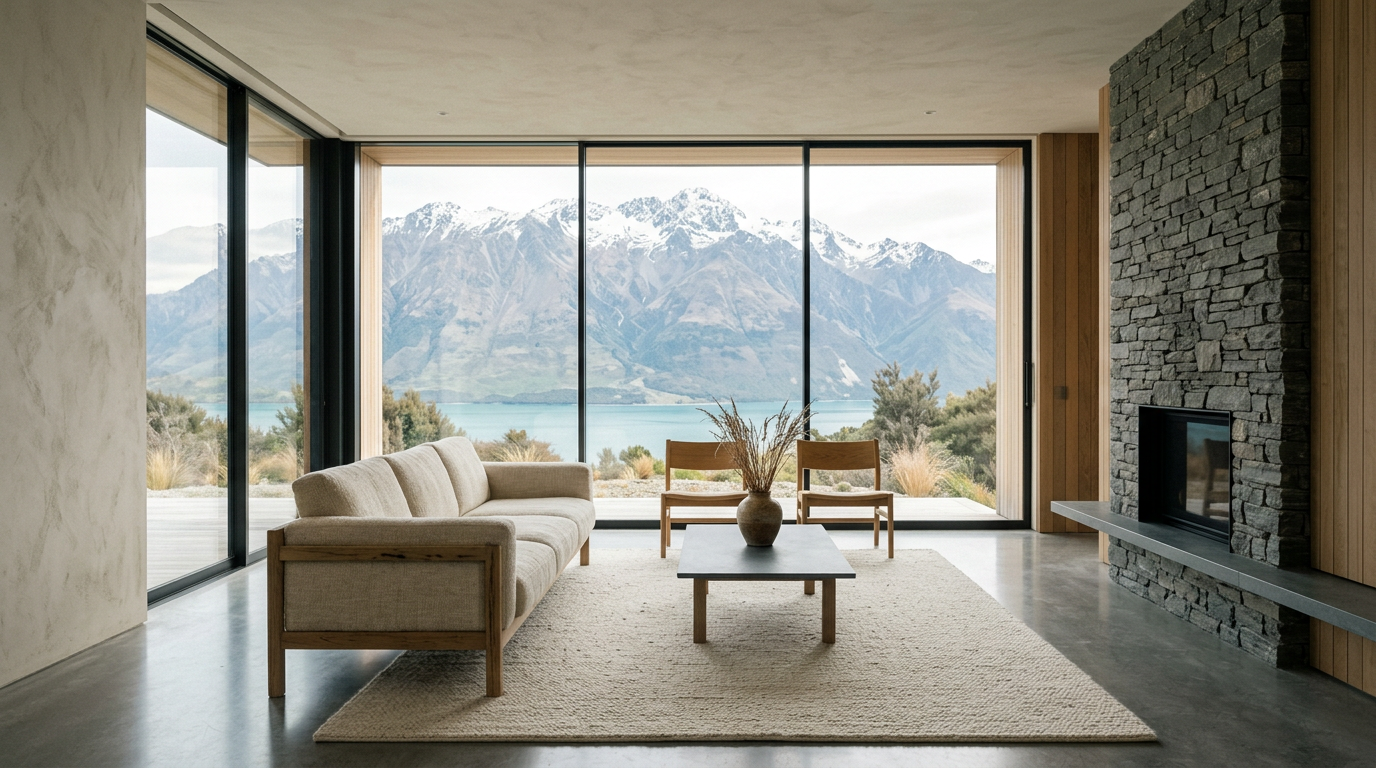
The driver in Queenstown is the ‘Invisible Footprint.’ The most prestigious assets are those that are virtually undetectable from the landscape—using earth-sheltered architecture, organic materials, and carbon-neutral operations. The trophy is the ability to be in total luxury while remaining ecologically invisible.
The ‘Autonomous Estate’ Model
Sustainable luxury in Queenstown is defined by ‘Autonomy.’ This involves integrated solar-plus-storage, advanced rainwater harvesting, and geothermal heating. The prestige is found in the ability to be completely independent of the grid, ensuring that the sanctuary remains functional regardless of external volatility.
Investor Implications
We are seeing a ‘Resilience Premium’ emerge in the Southern Alps. Assets that are ‘Off-Grid Capable’ are viewed as more secure and more prestigious. The risk is centered on ‘Tacky Luxury’—large, energy-inefficient mansions that clash with the environment and face future regulatory scrutiny.
Actionable Strategy
- The ‘Off-Grid’ Trophy Play: Prioritize acquisitions of estates with existing autonomous infrastructure or the potential to implement it.
- Prioritize ‘Localist’ Materials: Use stone and timber sourced from the immediate region. ‘Ecological Authenticity’ is a primary value driver in the Queenstown market.
- The ‘Low-Impact’ Development: When building, focus on ‘Minimalist Footprint’ design. The more the house blends into the mountainside, the higher its eventual exit multiple.
Conclusion
Sustainable luxury in Queenstown is about the harmony between extreme wealth and extreme humility. The assets that will hold their value are those that treat the land as a sacred trust.